The Munsee Cemetery at Montague, NJ
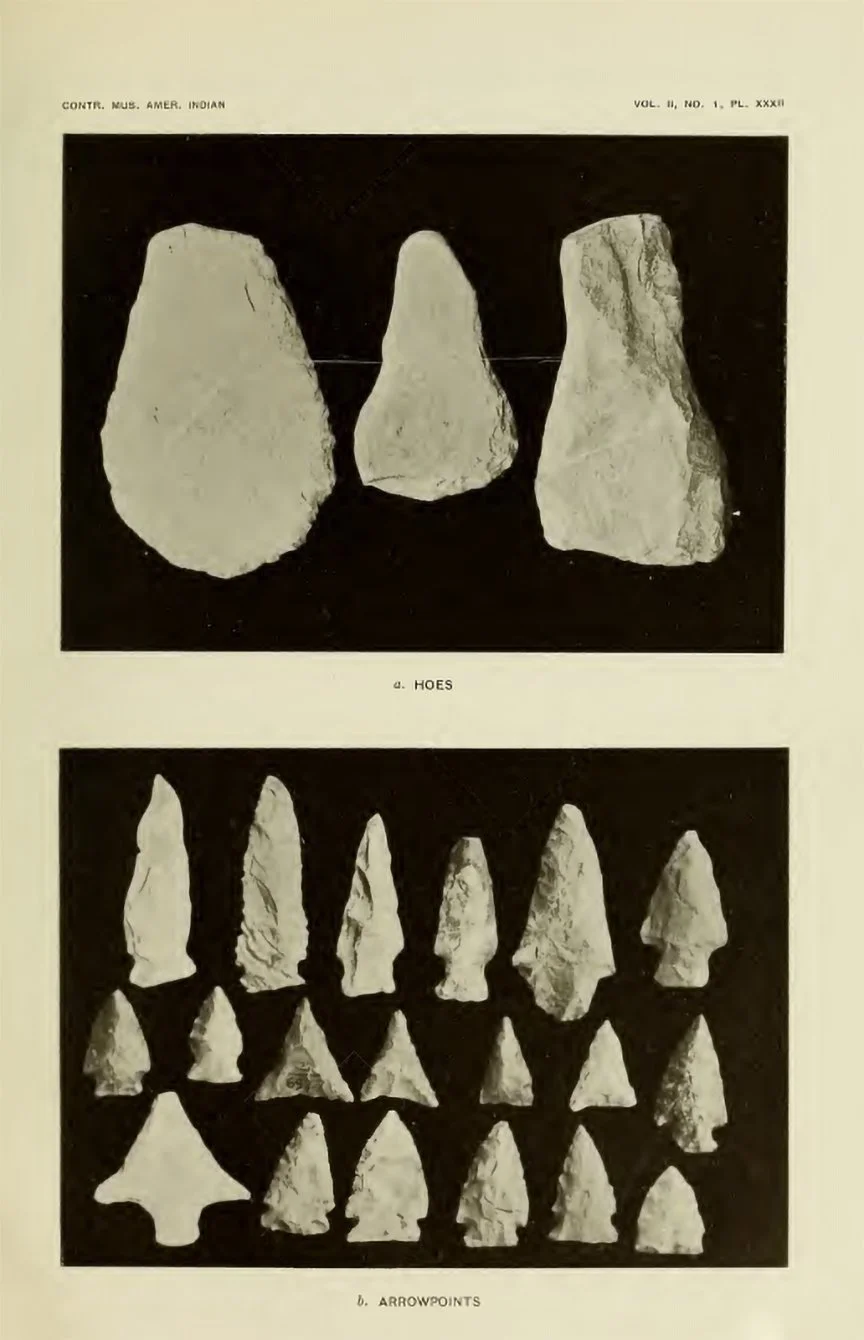
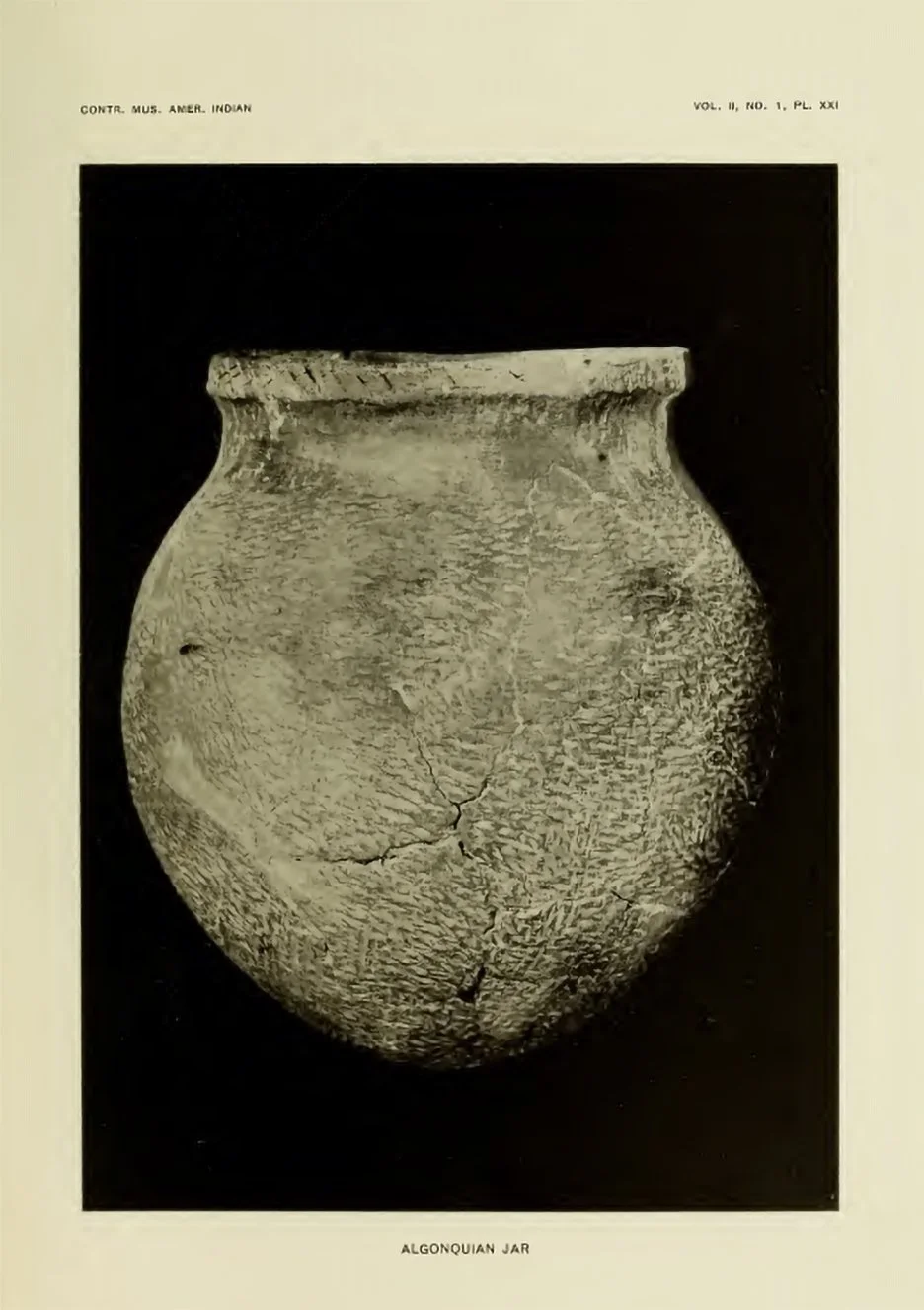
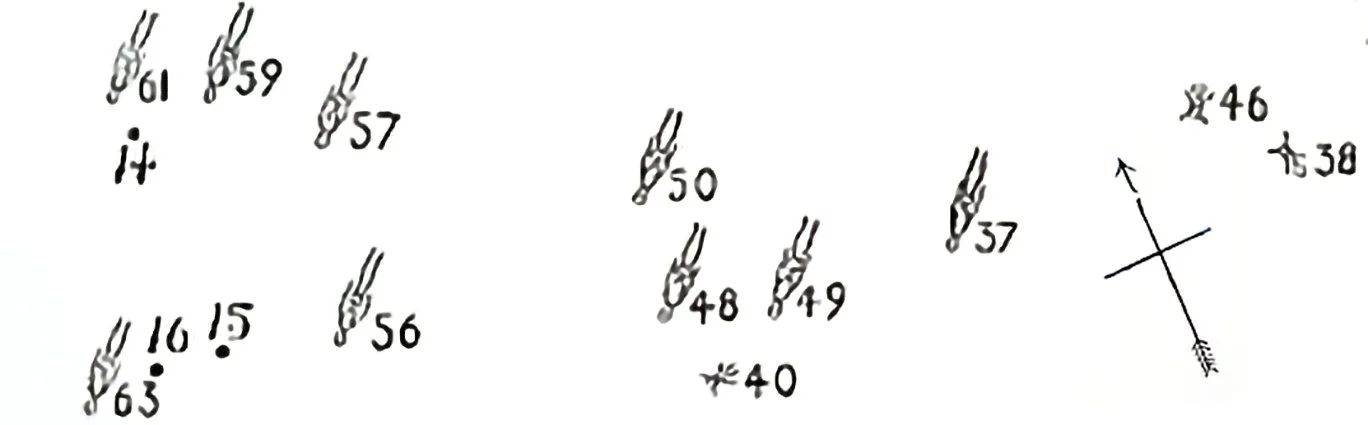
In 1914, archaeologists excavated a Lenape Munsee cemetery near Montague, New Jersey, documenting 68 burials. Located in the historic Minisink region along the upper Delaware River, the cemetery appears to date largely to the period of early European contact. The excavation recorded how graves were arranged and oriented, along with pottery, ornaments, pipes, tools, and European trade goods placed within them. Together, these records provide a rare glimpse into Munsee burial traditions and the care with which people were laid to rest.
After the 1914 excavation, most of the individuals who were sufficiently preserved for collection did not remain with Heye's Museum of the American Indian. George Heye transferred them to the United States National Museum, now the Smithsonian's National Museum of Natural History, in Washington, D.C.
The Smithsonian's later repatriation research in its 2008 assessment identified 59 individuals from the Bell-Philhower/Minisink cemetery in the NMNH collections. Smithsonian researchers concluded that archaeological and historical evidence dated the cemetery primarily to the late 1600s or early 1700s and that the individuals were Munsee.
The Smithsonian recommended that those 59 individuals and an associated funerary object be offered for return to the Stockbridge-Munsee Community, Delaware Nation, and Cherokee Nation, which it identified as descendant communities in that particular repatriation assessment.
I hesitated before including this page. This was a cemetery, not simply an archaeological site, and the graves belonged to real people whose families and communities placed them there. What is presented here is the cemetery plan, historical diagrams of the burials, and selected objects recovered from the site. They are included not as curiosities, but as a way to better understand how Lenape people honored their dead while respecting the sacred nature of their resting place.