RaritanLenape.org > Lenape People / Stories > Lenape History, Town by Town > Elizabeth & Rahway
Elizabeth & Rahway
Elizabeth • Elizabethport • Rahway • Linden • Roselle • Roselle Park • Clark • Cranford • Winfield Park • Kenilworth • Union • Hillside

ELIZABETH & RAHWAY
The Lenape Homeland and the Great Elizabethtown Purchase of 1664
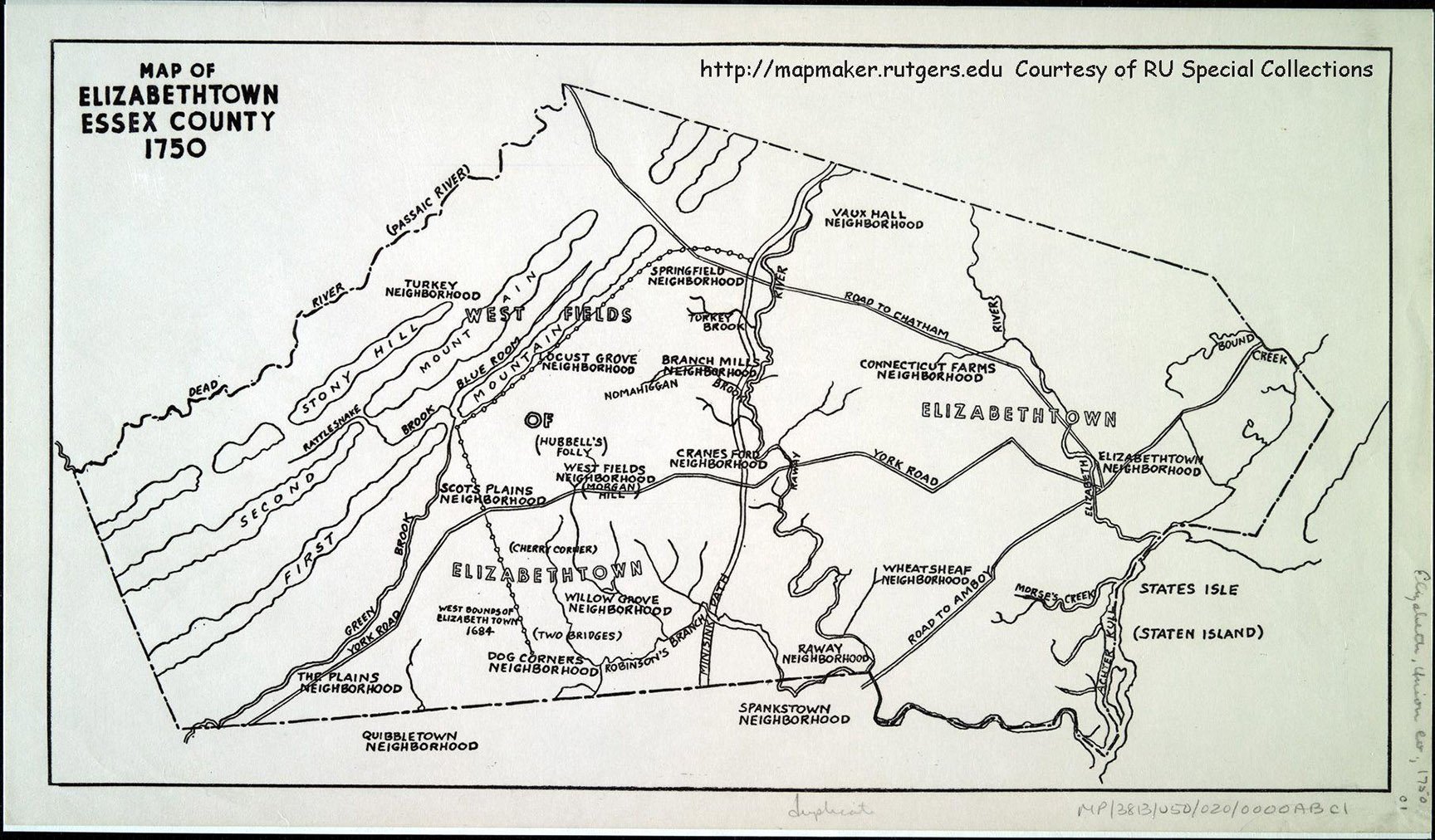
On October 28, 1664, Lenape leaders entered into an agreement with English settlers involving an enormous stretch of northern New Jersey. The territory extended from the Raritan River toward the Passaic, encompassing lands where cities, highways, and suburbs now stand and more than a million people now live. The English called it a purchase. But did the Lenape understand that they were surrendering their homeland forever?
Before Elizabethtown
Long before Elizabeth had a harbor or Rahway had a name on a map, rivers wound through a landscape of forests, tidal marshes, and fertile valleys.
The Elizabeth River flowed toward Newark Bay. The Rahway River and its branches connected the wooded interior with Arthur Kill and the waters of Raritan Bay. Along these waterways, Lenape families could fish, gather shellfish, hunt, cultivate crops, and travel between communities.
The rivers were more than sources of food. They were pathways through a homeland whose boundaries did not resemble those of modern New Jersey.
Today's Elizabeth, Elizabethport, Rahway, Linden, Roselle, Roselle Park, Clark, Cranford, Winfield Park, Kenilworth, Union, and Hillside occupy portions of this interconnected landscape. Their municipal borders came centuries later.
The Elizabethtown Purchase of 1664
On October 28, 1664, English settlers obtained a deed for a vast tract of land from Lenape representatives. The agreement became known as the Elizabethtown Purchase, one of the defining transactions in New Jersey's early colonial history.
The surviving records preserve the names of Lenape men associated with the agreement, including Mattano and Warinanco. Other names appear in differing spellings and forms, reflecting the way English recordkeepers attempted to transcribe Indigenous names.
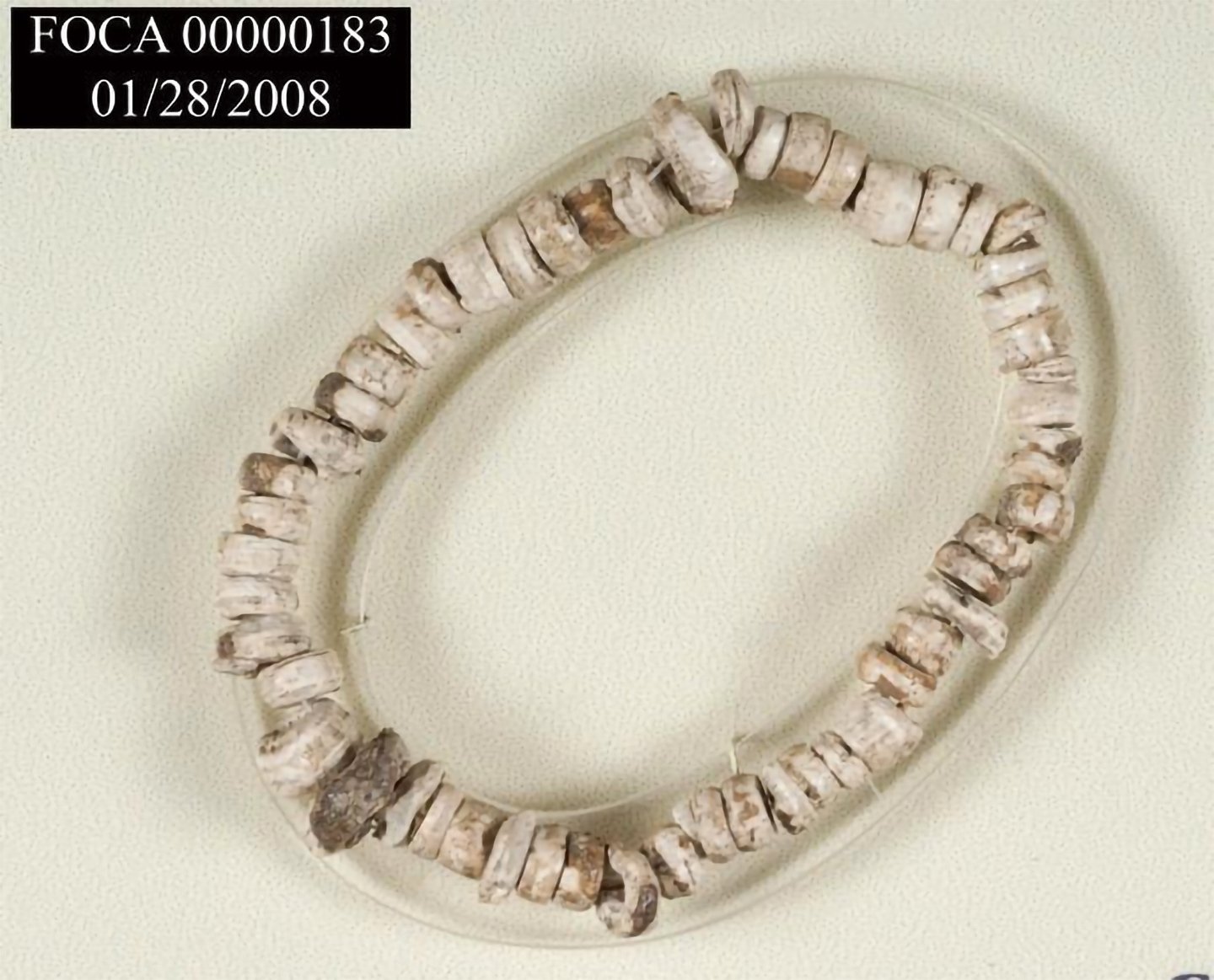
In exchange, the deed described payments involving cloth, coats, firearms, kettles, gunpowder, lead, and white wampum.
To the English, the document established a claim to land that could be surveyed, divided into farms, inherited, and sold. But the meaning of the agreement to its Lenape participants is far less certain.
Did Both Sides Believe They Were Making the Same Agreement?
The English believed they were buying land. But what did the Lenape believe they were agreeing to?
Lenape relationships with land were grounded in community, responsibility, and established rights to occupy and use particular places. Agreements with newcomers could involve permission to settle, shared access, or transfers of particular rights. They did not necessarily carry the same meaning as the permanent, exclusive ownership recognized under English law.
This does not mean the Lenape were unfamiliar with territorial rights or incapable of negotiating land transfers. It means that two peoples with different legal traditions and cultural understandings may have interpreted the same agreement differently.
The surviving deed records the transaction largely through English words and English legal concepts. It does not preserve a full account of what the Lenape signatories understood or intended.
What followed, however, is unmistakable. The English treated the agreement as a claim of ownership. As settlement expanded, the Lenape increasingly lost control over lands their communities had occupied and used for generations.
One important historical fact: Union County's official history states that the Lenape understood the agreement as granting land-use rights rather than English-style ownership.
Warinanco: A Lenape Name That Survived
One of the Lenape names preserved in the 1664 agreement remains familiar throughout Union County.
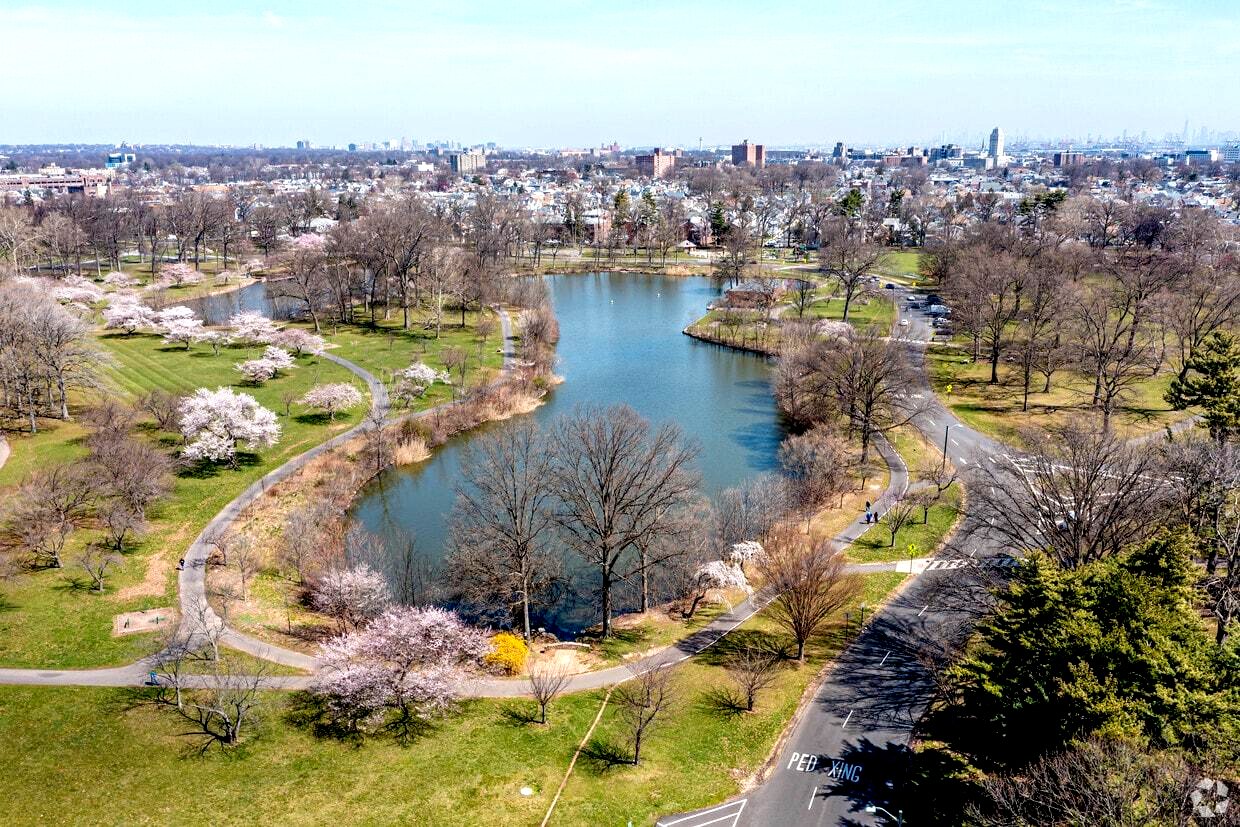
Warinanco Park, stretching between Elizabeth and Roselle, honors Warinanco, one of the men whose marks appear on the historic deed. Mattano's name also survives in the name of Mattano Park in Elizabeth.
Today, these parks are places of recreation, but their names recall men who lived when this entire landscape was Lenape country.
Rahway: A River With an Older Name
The name Rahway reaches back to the earliest colonial records of the region.
The river was recorded as Rahwayck, among other spellings, and local tradition connects the name to a Lenape leader called Rahwack. That identification, however, is not firmly established. Another interpretation connects the name to the branching character of the river itself.
The Rahway River winds through the communities of Cranford, Clark, Winfield Park, and Rahway before reaching Arthur Kill. Its tributaries connected the wooded interior with the tidal lowlands, creating a natural corridor for travel and access to food.
Long before bridges and mills appeared along its banks, this river was part of the landscape known to generations of Lenape families.
From Forests and Marshes to Cities and Suburbs
The transformation did not happen overnight.
English settlement first concentrated around Elizabethtown and its waterways. Over generations, farms spread inland, forests were cleared, and old pathways became colonial roads.
The lowlands around Elizabethport and Linden developed into port and industrial districts. Rahway grew along its river. Cranford, Clark, Roselle, Roselle Park, Kenilworth, Union, Hillside, and Winfield Park eventually emerged as distinct communities.
There is no reliable evidence that each modern municipality contained a separate Lenape village. What these places share is their location within a much older homeland, linked by rivers, forests, trails, and generations of Indigenous history.
The Elizabethtown Purchase did more than precede the founding of a city. It helped establish colonial claims over an immense territory, opening the way for generations of settlement and the displacement of Lenape communities.
The Land Remembers
More than 360 years after the Elizabethtown Purchase, the names Mattano and Warinanco remain on Union County maps. The Rahway River still follows its ancient course toward Arthur Kill. Beneath the streets and neighborhoods of Elizabeth and its surrounding towns lies a history far older than the colonial deed of 1664.
The English recorded a purchase. The Lenape experienced the transformation of their homeland.
The land changed hands under colonial law, but its earlier history did not disappear. Nor did the Lenape people. Their descendants live today among the continuing Lenape nations and communities, carrying forward histories and traditions that began long before New Jersey existed.
< previous towns Perth Amboy and Woodbridge | next town 11/12 >