RaritanLenape.org > Raritan Lenape History / Footprint > Ten Events That Changed Lenape History

TEN EVENTS THAT CHANGED LENAPE HISTORY
For thousands of years, the Lenape lived across a vast homeland encompassing present-day New Jersey and parts of New York, Pennsylvania, and Delaware. Then came European colonization, disputed land agreements, warfare, broken promises, and forced displacement.
These ten documented events help tell the story of how the Lenape lost control of much of their ancestral homeland - and how their nations endured.
1. 1626 - THE MANHATTAN PURCHASE
Dutch officials reported acquiring Manhattan from Native inhabitants in a transaction later popularized as the sale of the island for $24. The familiar story obscures profound differences in European and Native understandings of land ownership. The surviving record does not establish exactly who participated or what they understood the agreement to mean.
2. 1638 - THE SWEDES ARRIVE ON THE DELAWARE
Swedish colonists established New Sweden along the Delaware River, entering territory inhabited by Lenape communities. Trade, diplomacy, and competing claims to land would increasingly reshape life throughout the Delaware Valley.
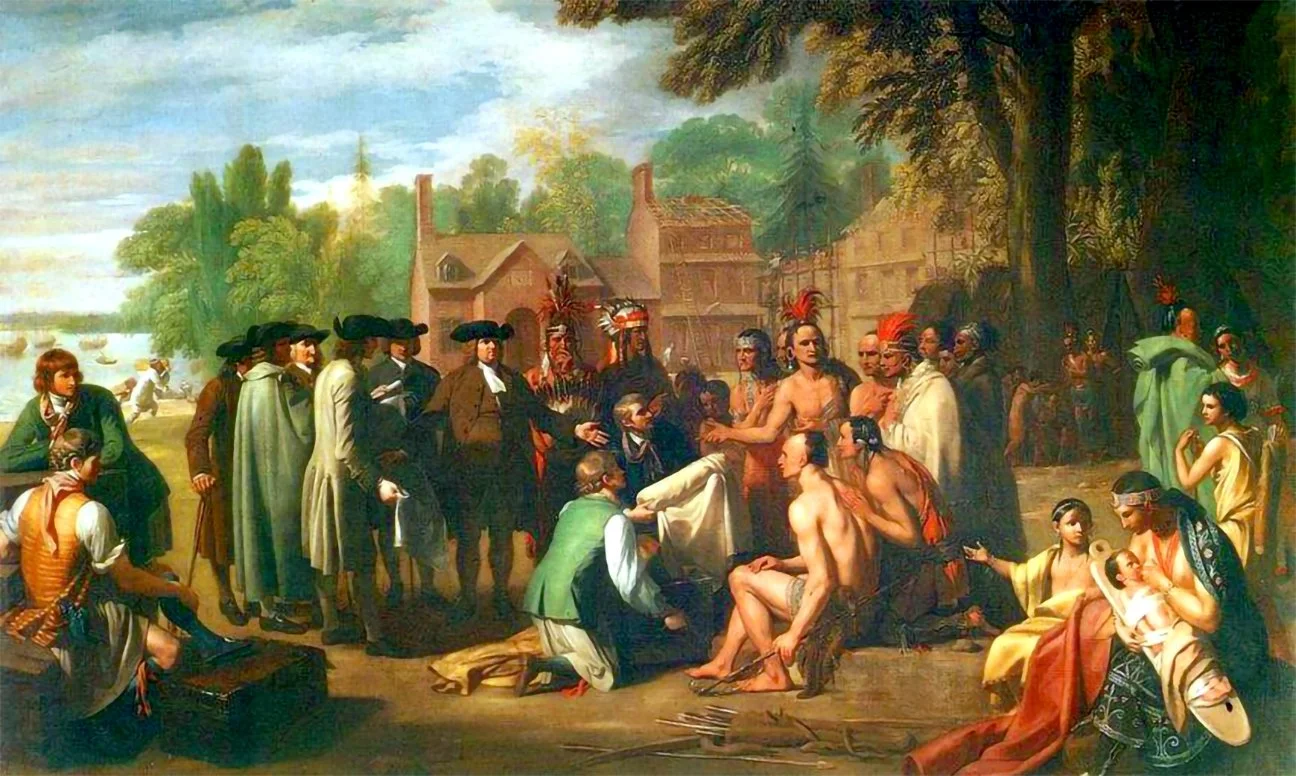
3. 1682-1683 - WILLIAM PENN AND THE LENAPE
William Penn negotiated land agreements with Lenape leaders as Pennsylvania took shape. His reputation for peaceful relations became legendary, but subsequent colonial expansion steadily undermined Lenape control of their homeland.
4. 1737 - THE WALKING PURCHASE
Pennsylvania's proprietors used a disputed agreement and a carefully organized walking expedition to claim an enormous tract of Lenape land. The resulting dispossession deepened tensions and helped drive Lenape communities westward.
5. 1755-1758 - THE LENAPE FIGHT BACK
During the French and Indian War, some Lenape leaders and warriors took up arms against British colonial settlements, while others pursued different alliances and diplomatic strategies. Years of land encroachment and broken agreements had transformed relations with the colonies.
6. 1758 - THE TREATY OF EASTON
Lenape leaders gathered with colonial officials in Easton, Pennsylvania, seeking peace and recognition of their land grievances. The negotiations helped reshape the war and marked a critical turning point in the struggle over Lenape territory.
7. 1758–1802 — BROTHERTON: A HOMELAND REDUCED TO 3,000 ACRES
Colonial authorities established a reservation of approximately 3,044 acres in Burlington County, New Jersey, for Lenape residents. Not all Lenape moved there. In 1802, the remaining reservation land was sold, most residents relocated to New York.
8. 1778 - THE TREATY OF FORT PITT
The Delaware signed the first treaty between the newly independent United States and a Native American nation. The agreement promised cooperation and protection, but its provisions were soon undermined by war and conflicting interests.
9. 1782 - THE GNADENHUTTEN MASSACRE
In one of the darkest chapters of American frontier history, Pennsylvania militiamen murdered 96 Christian Lenape men, women, and children at Gnadenhutten, Ohio. The victims were noncombatants. The massacre remains a devastating example of violence against Lenape communities.
10. 1867 - THE DELAWARE ENTER CHEROKEE NATION TERRITORY
Following generations of displacement, a major Delaware community entered Cherokee Nation territory under an agreement that reshaped its political status and future. Their descendants continue today as the federally recognized Delaware Tribe of Indians in Oklahoma.
THE LENAPE ARE STILL HERE
These events changed the map of Lenape history. They did not bring Lenape history to an end.
The Lenape were not simply people of New Jersey's past. They are living nations with an enduring connection to their ancestral homeland.
