RaritanLenape.org > Lenape People / Stories > Heart Fruit and Three Sisters
HEART FRUIT AND THE THREE SISTERS
Each summer, the first wild strawberries brought more than a sweet treat to Lenape families. They marked a season of thanksgiving, ceremony, and renewal. Nearby, gardens of corn, beans, and squash flourished together, feeding communities through the changing seasons. One was known as tehim, the “heart fruit.” The others were the Three Sisters. Together, they tell a story of Lenape life in which food, family, and spiritual tradition were deeply intertwined.
Strawberries: The Heart Fruit
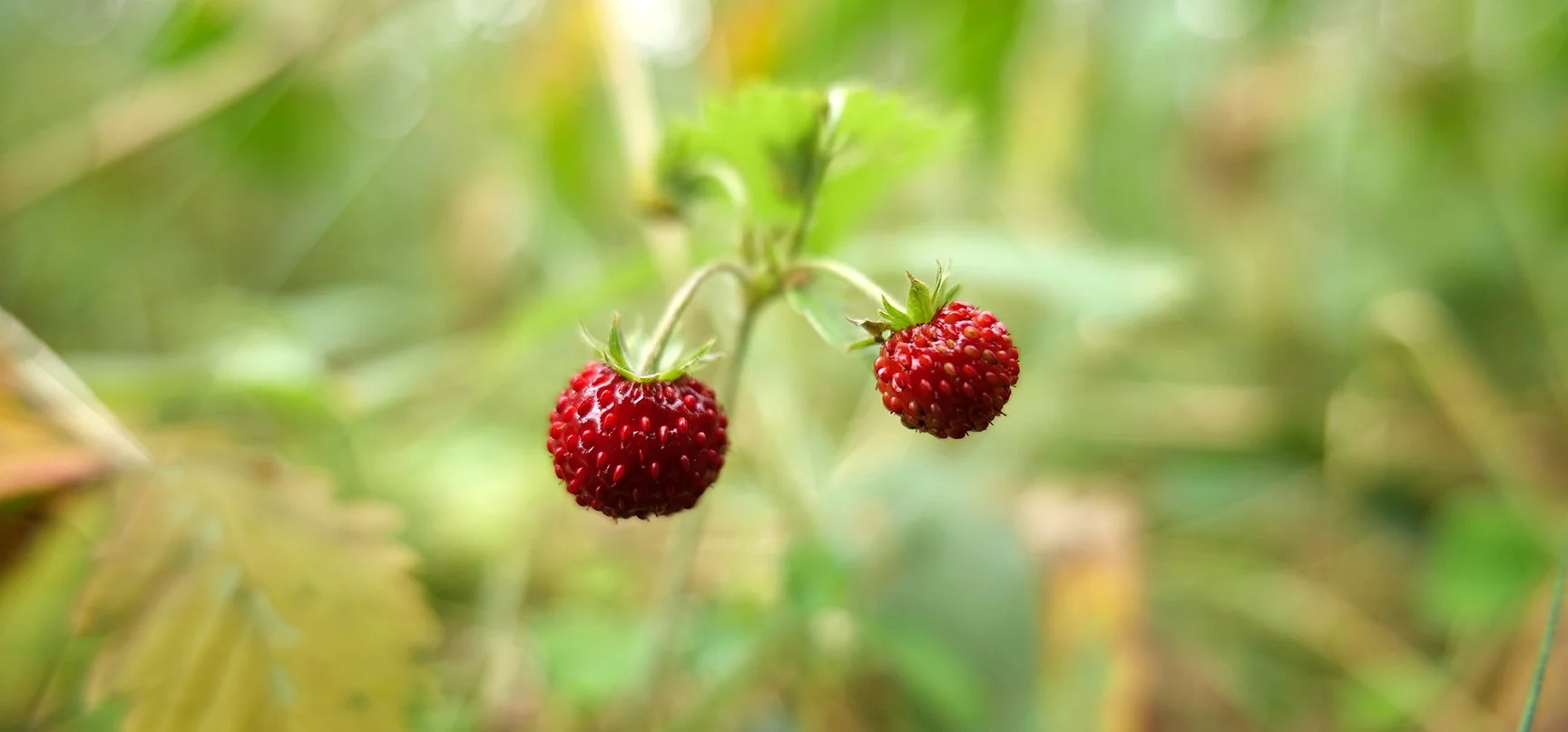
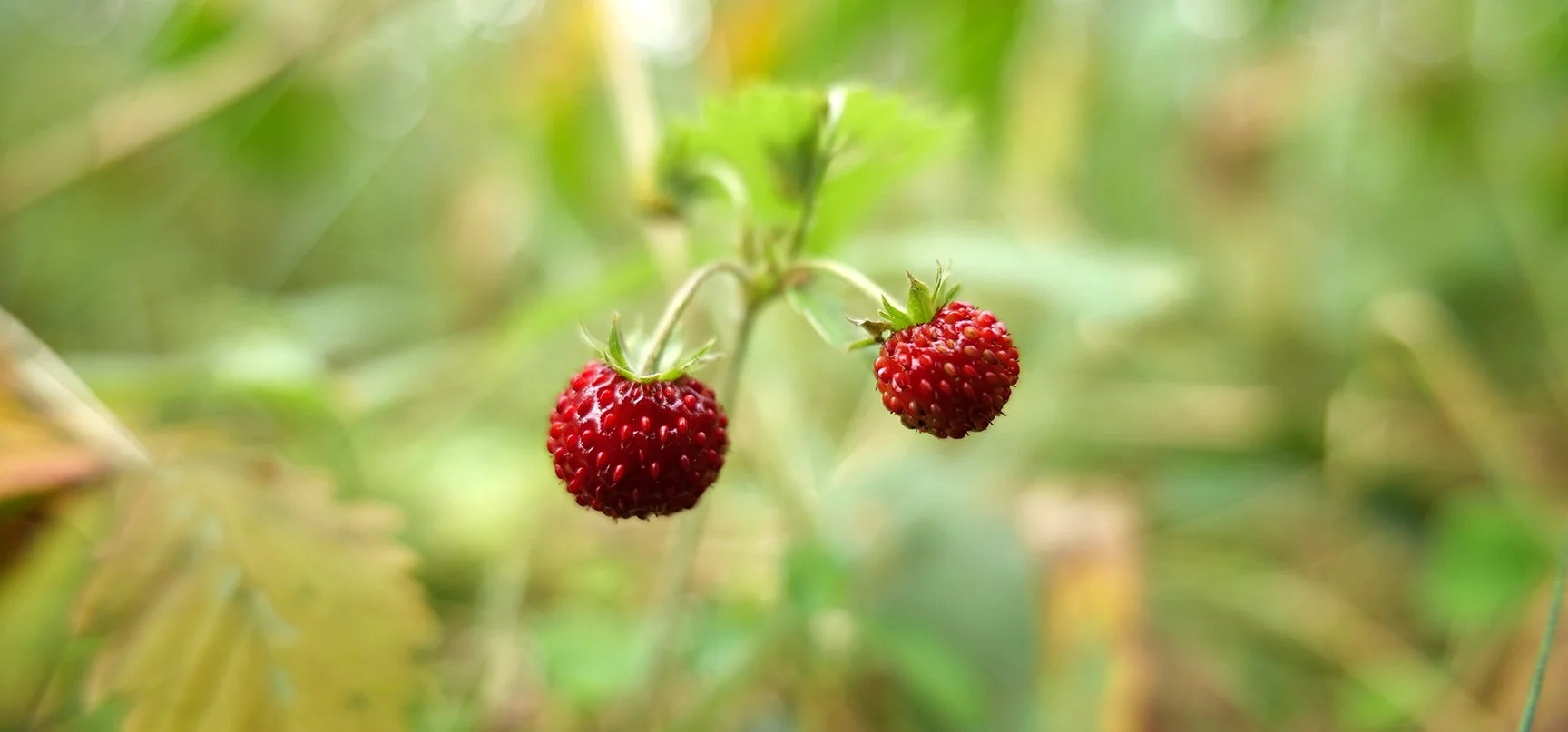
In Unami Lenape, the strawberry is called tehim, meaning “heart fruit,” a name reflecting its distinctive shape. Among the first wild fruits to ripen in early summer, strawberries were gathered along sunny woodland edges, meadows, and clearings.
But strawberries were more than a seasonal delicacy. They carried spiritual significance, representing gratitude, renewal, and the generosity of the natural world. Their arrival marked an important moment in the annual cycle of Lenape life.
The heart fruit was a reminder that the land provided more than food. It offered reasons to gather, give thanks, and celebrate life.
The Munsee Strawberry Ceremony
Among some Munsee-speaking Lenape, the ripening of wild strawberries marked a special summer ceremony of thanksgiving. Historical accounts describe a gathering around June that included prayers, songs, and expressions of gratitude to the Creator.
A ceremonial drink prepared from freshly crushed strawberries was shared among participants. The ceremony celebrated the first fruits of summer and reinforced the spiritual and social bonds connecting the community.
Strawberries were also dried and preserved for use in the winter Big House Ceremony, linking the abundance of summer with the spiritual gatherings of the colder months.
The seasonal importance of strawberries is reflected in the Munsee name for June, Wteehiimiiwi Niipaahum, meaning “Strawberry Moon.”
For the Munsee, strawberries were not simply something to eat. They were part of a sacred relationship between the seasons, the people, and the Creator.
The Three Sisters: A Garden That Worked Together
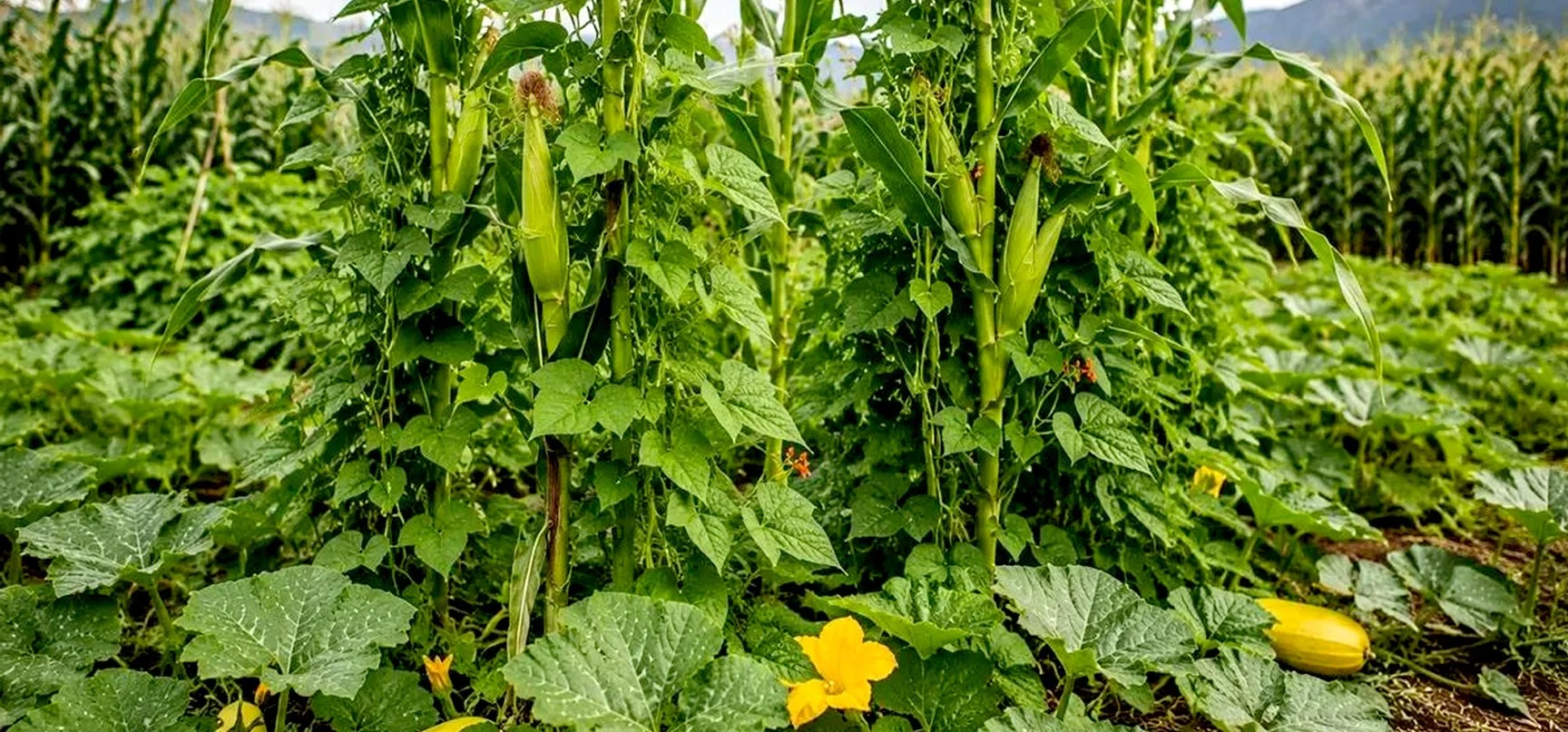
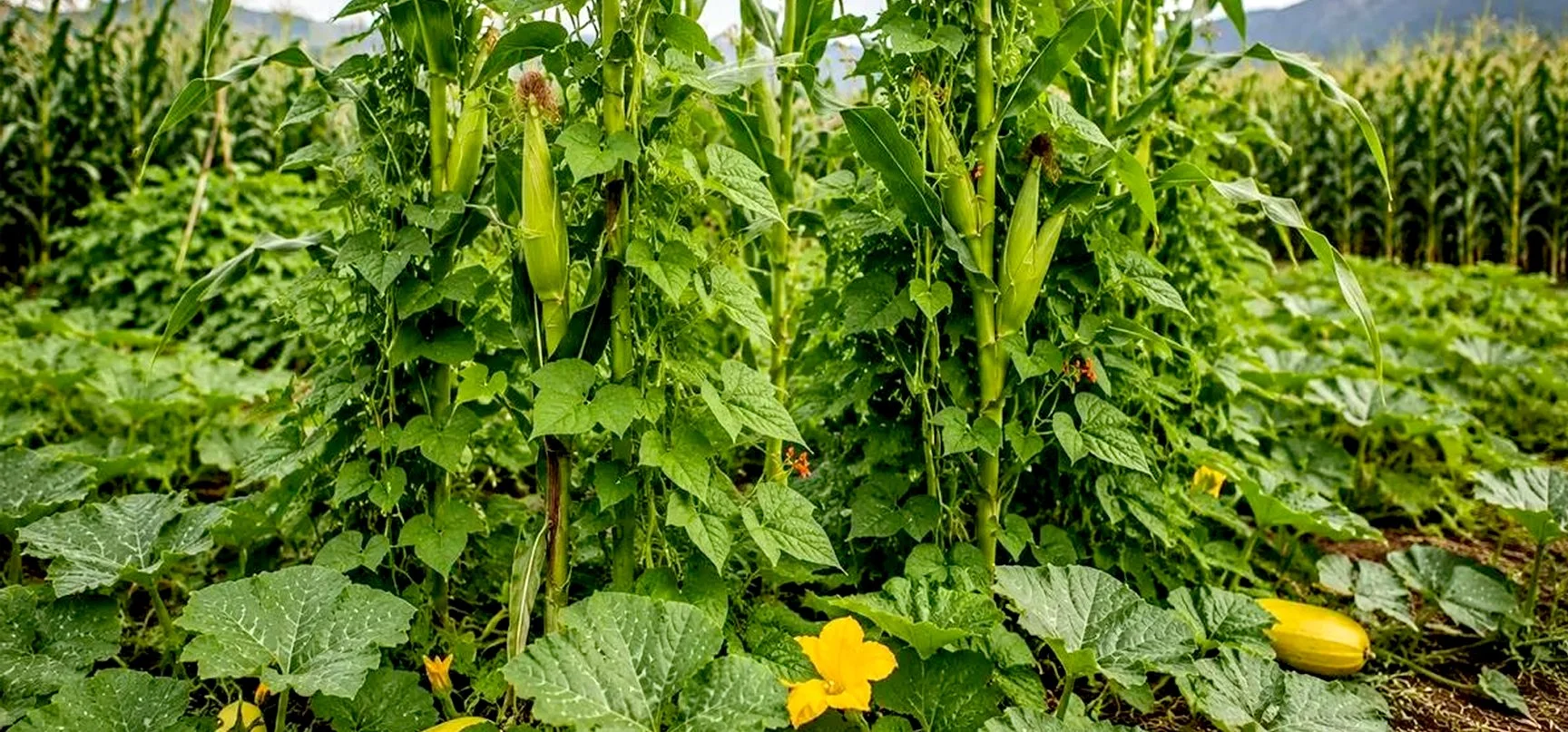
Corn, beans, and squash formed one of the most remarkable agricultural partnerships in Indigenous North America. Known widely as the Three Sisters, these crops were grown together by Lenape communities and many other Indigenous peoples.
Each plant contributed something important:
Corn grew tall, providing sturdy stalks for climbing beans.
Beans climbed the corn and, through nitrogen-fixing bacteria associated with their roots, contributed to soil fertility.
Squash spread broad leaves across the ground, helping retain moisture, shade the soil, and discourage weeds.
Together, these crops provided a nutritious combination of carbohydrates, protein, vitamins, and minerals. Corn and beans could be dried and stored, while squash provided additional nourishment through the colder months.
Lenape women played central roles in planting, tending, harvesting, and preserving these foods. Their agricultural knowledge, developed and passed down through generations, helped sustain families and communities.
The Three Sisters were more than three crops growing together. They demonstrated how different plants could support one another, creating a productive garden through cooperation rather than competition.
Food, Tradition, and a Living Connection
The heart fruit and the Three Sisters represent two complementary traditions: gathering the seasonal gifts of the natural landscape and cultivating crops through generations of agricultural knowledge.
Today, these foods remain part of the cultural heritage of Lenape people and other Indigenous nations, connecting contemporary generations with the knowledge and traditions of their ancestors.
The Lenape story is not found only in ancient stone tools, colonial documents, or archaeological sites. It also lives in a strawberry gathered in June, corn growing beside beans and squash, and traditions carried forward from one generation to the next.
